
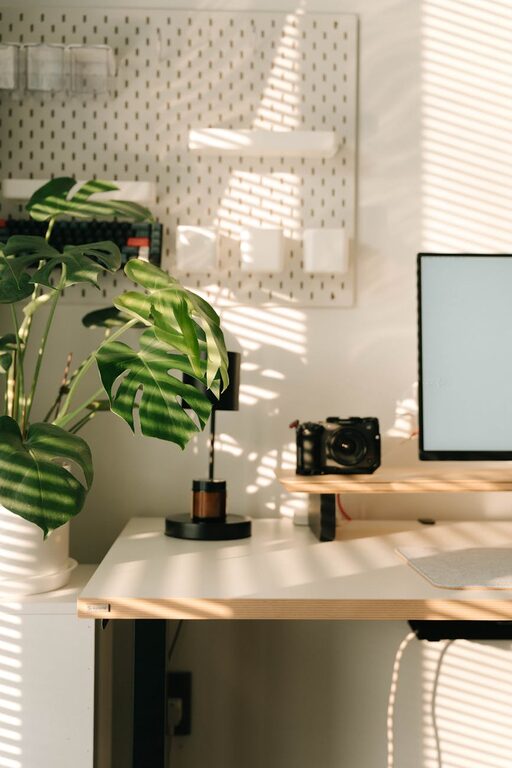
Creating a relaxing home workspace is essential for maintaining focus and enhancing productivity. Whether you’re working remotely full-time or occasionally taking tasks home, a peaceful and well-organized environment can make a big difference in how you feel and perform throughout the day. In this post, we’ll explore practical tips to help you design a calming home office space that supports your workflow and wellbeing.
Why a Relaxing Workspace Matters
When your workspace feels comfortable and inviting, it reduces stress and distractions. A cluttered or chaotic area can lead to frustration, making it harder to concentrate and get work done. On the other hand, a space that promotes calmness encourages creativity, motivation, and efficiency.
Choose the Right Location
Find a Quiet Spot
Start by selecting a part of your home where noise and interruptions are minimal. If possible, pick a room or corner away from busy areas like the kitchen or living room.
Consider Natural Light
Working near a window with ample natural light is ideal. Sunlight can boost your mood and energy levels. If this isn’t an option, choose bright, adjustable lighting to mimic natural light.
Invest in Comfortable Furniture
Ergonomic Chair
A good chair that supports your back and encourages good posture is key. This helps prevent discomfort during long hours of work.
Desk at Proper Height
Choose a desk that fits your height to avoid strain. Adjustable desks are a great option if you want to alternate between sitting and standing.
Keep Your Space Organized
Declutter Regularly
Clear your desk of unnecessary items daily. A tidy surface helps keep your mind focused.
Use Storage Solutions
Utilize shelves, drawers, and organizers to store papers, cables, and office supplies. This prevents clutter from building up and keeps things within reach.
Add Personal and Soothing Elements
Incorporate Plants
Indoor plants add a touch of nature and improve air quality. Even small potted plants can create a calming atmosphere.
Choose Calming Colors
Soft, neutral tones like light blues, greens, or beige create a peaceful mood. Avoid overly bright or distracting colors in your workspace.
Use Aromatherapy
Subtle scents from essential oils or candles can relax your mind. Lavender, chamomile, or eucalyptus are popular choices for creating a tranquil environment.
Minimize Distractions
Set Boundaries
Communicate your work hours with family or roommates to minimize interruptions.
Manage Technology
Turn off non-essential notifications on your devices. Consider apps that block distracting websites during work periods.
Incorporate Break Areas
When possible, create a small space near your desk where you can briefly step away or stretch. Taking regular breaks helps refresh your brain and prevents burnout.
Personalize Mindfully
Adding items that inspire you—such as photos, artwork, or motivational quotes—can make your workspace feel inviting. Just be mindful not to clutter the area, which can have the opposite effect.
Establish a Routine
A consistent work routine helps condition your mind to focus when you’re in your workspace. Start your day by tidying your desk and setting clear tasks to maintain a productive flow.
Final Thoughts
Creating a relaxing home workspace is about balancing comfort, organization, and personalization to foster productivity. Start with small changes like improving lighting or decluttering your desk and build from there. With a calm and inviting environment, you’ll find it easier to stay focused, motivated, and enjoy your work-from-home days.