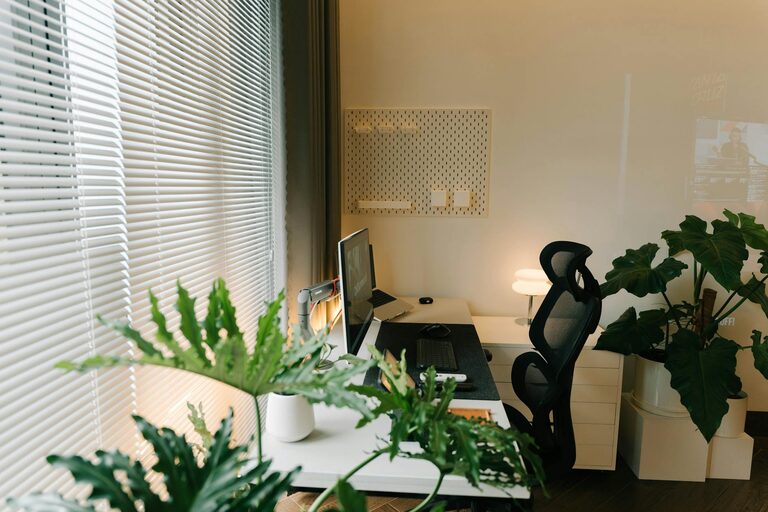
Creating a productive home office environment is essential for anyone working remotely or managing tasks from home. A well-designed workspace can enhance focus, reduce distractions, and improve overall work quality. Whether you have a dedicated room or a small corner, there are simple yet effective ways to optimize your home office for maximum productivity. In this post, we’ll explore practical tips to help you set up and maintain a productive home office.
Choose the Right Location
Selecting the ideal spot for your home office is the foundation of productivity. Here are some factors to consider:
– Quiet Space: Find a location with minimal noise and interruptions to maintain concentration.
– Natural Light: Position your desk near a window if possible. Natural light helps reduce eye strain and boosts mood.
– Privacy: Choose a spot where others in your household won’t frequently walk through or distract you.
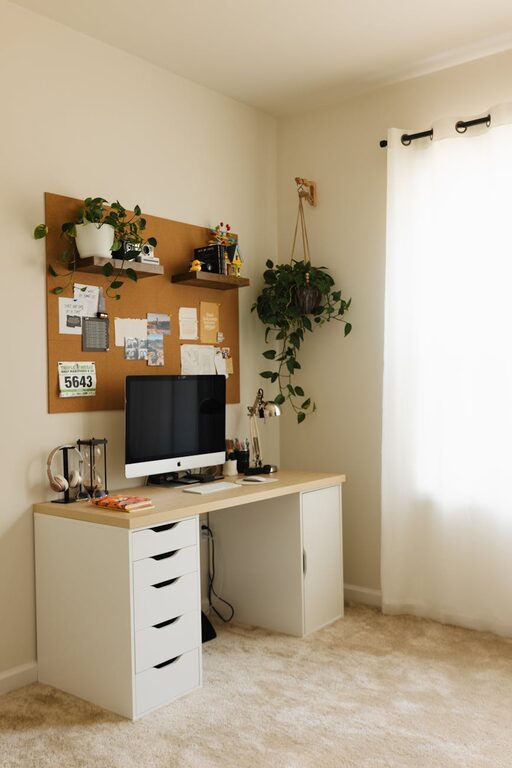
Even if you don’t have a separate room, a nook or a corner can work well with the right setup.
Invest in Ergonomic Furniture
Comfort is key when you spend hours working at your desk. Ergonomic furniture prevents strain and encourages healthy posture.
– Desk: Select a desk with ample surface space for your computer, notes, and other essentials.
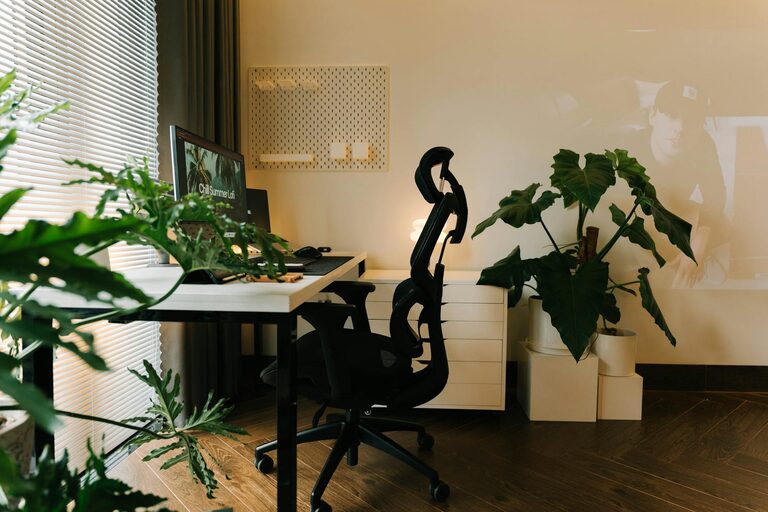
– Chair: An adjustable chair with lumbar support can make a big difference. Your feet should rest flat on the floor, and your knees should be roughly at a 90-degree angle.
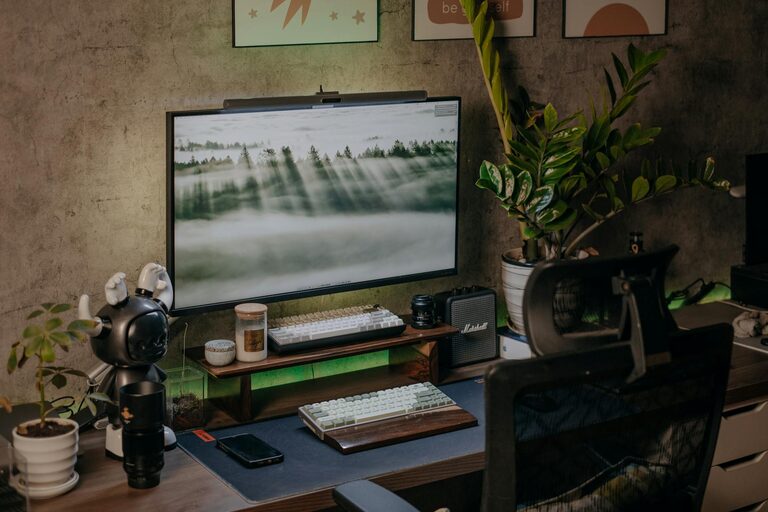
– Monitor Position: Place monitors at eye level to reduce neck strain.
Comfort increases endurance and productivity throughout your workday.
Organize and Declutter Your Space
A tidy workspace reduces distractions and helps you focus. Use these organization strategies:
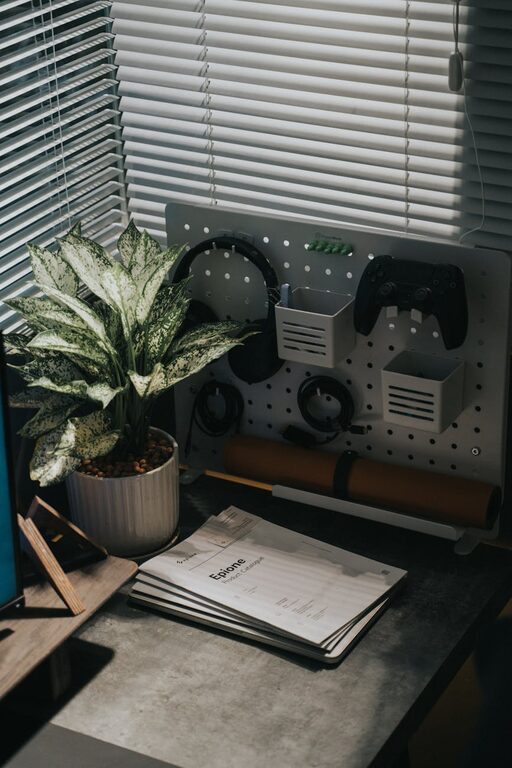
– Storage Solutions: Use shelves, filing cabinets, or desk organizers to keep supplies and documents in order.
– Minimalism: Keep only what you need on your desk. Remove unnecessary items to reduce clutter.
– Cable Management: Use clips or sleeves to keep cords out of the way.
Setting a weekly routine to tidy your workspace can maintain an organized environment over time.
Control Lighting and Screen Glare
Appropriate lighting is crucial for comfort and productivity.
– Task Lighting: Use desk lamps to illuminate your workspace without causing glare on screens.
– Avoid Harsh Light: Position lights so they don’t shine directly in your eyes or reflect off monitors.
– Adjustable Curtains or Blinds: Control the amount of daylight entering the room to prevent glare and eye strain.
Proper lighting helps reduce fatigue and keeps you energized.
Personalize Your Workspace
Adding personal touches can make your home office more inviting and motivating.
– Plants: Small indoor plants improve air quality and create a calming atmosphere.
– Art or Photos: Decorate your walls with inspiring images or artwork.
– Comfort Items: Consider a cozy throw or your favorite mug nearby.
Personalization helps you feel connected to your workspace, boosting morale.
Set Boundaries and a Routine
Productivity is not just about the physical environment; habits play a big role too.
– Designate Work Hours: Establish a clear start and end time to maintain work-life balance.
– Communicate Boundaries: Let household members know when you’re working to minimize interruptions.
– Take Breaks: Schedule short breaks to stretch, move, and rest your eyes.
Creating a routine helps your mind switch into “work mode” and makes your home office feel like a professional space.
Use Technology Wisely
Technology is a critical tool, but it can also be a source of distraction.
– Choose the Right Equipment: Invest in a reliable computer, fast internet, and quality peripherals like a good keyboard and mouse.
– Apps for Focus: Tools like timers, task management apps, and noise-canceling headphones can improve concentration.
– Limit Distractions: Turn off unnecessary notifications or use “do not disturb” modes during focused work periods.
Smart use of technology supports efficient workflow.
Keep Healthy Habits in Mind
Your physical and mental well-being greatly influences productivity.
– Stay Hydrated: Keep water accessible at your desk.
– Healthy Snacks: Have nutritious snacks on hand to maintain energy levels.
– Movement: Incorporate stretches or brief walks into your routine to combat stiffness and boost circulation.
Prioritizing health in your workspace setup helps sustain productivity.
Regularly Review and Adjust Your Setup
Over time, your work needs may change. Regularly assess your home office environment and make adjustments as needed.
– Evaluate Comfort: Make changes if you experience discomfort or pain.
– Optimize Layout: Rearrange furniture or organize supplies for better accessibility.
– Update Technology: Keep your devices and software up to date.
Continuous improvement ensures your workspace stays functional and enjoyable.
—
Creating a productive home office environment is about balancing comfort, organization, and focus. With these tips, you can transform your space into a place where you work efficiently and comfortably every day. Remember, even small changes can make a big difference in how you feel and perform. Start with one or two ideas and build from there!