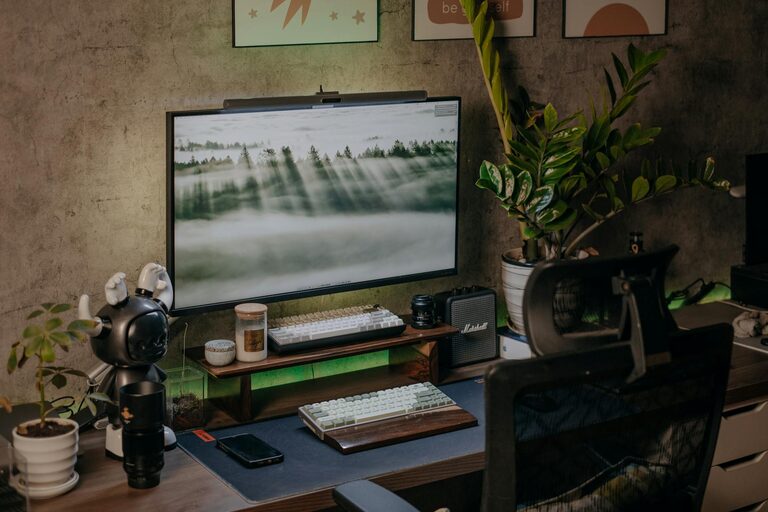
Creating a relaxing home workspace is essential for maintaining focus, boosting productivity, and promoting overall well-being while working from home. Whether you’re a remote employee, freelancer, or simply need a dedicated spot for tasks, an inviting and comfortable workspace can make a significant difference. This guide offers helpful tips to design a workspace that supports your work goals while keeping stress levels low.
Why a Relaxing Workspace Matters
A workspace that feels calming and comfortable helps reduce distractions and mental fatigue. It encourages better concentration and makes it easier to maintain a healthy work-life balance. When your workspace feels inviting, you’re more likely to spend your work hours engaged and efficient.
Choose the Right Location
Find a Quiet Spot
Select a space in your home with minimal noise and foot traffic. This might be a spare room, a corner in your bedroom, or even a nook in the living area. Having a quiet spot helps minimize interruptions and creates a peaceful environment.
Consider Natural Light
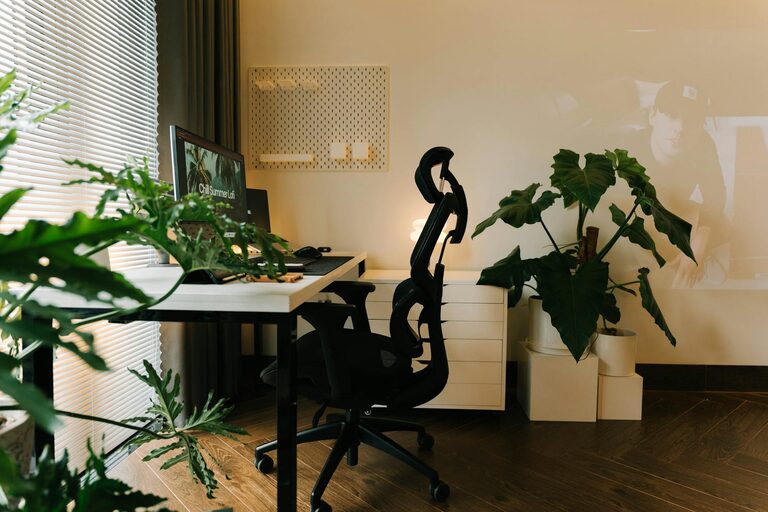
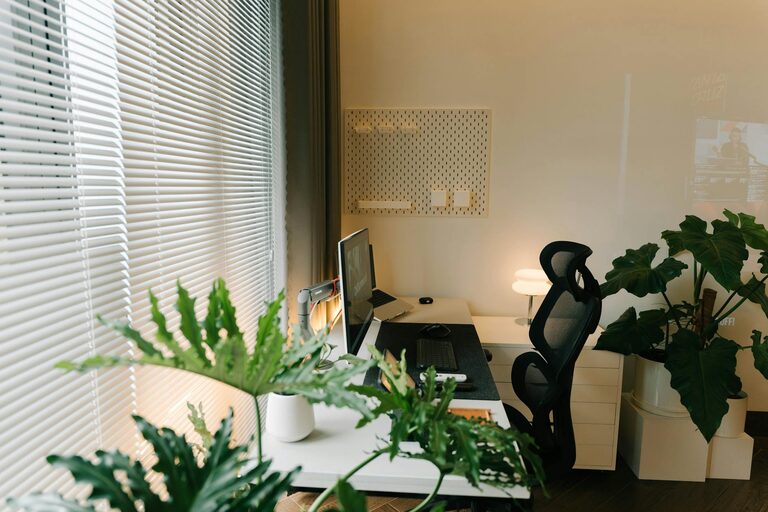
Position your desk near a window if possible. Natural light helps regulate your sleep cycle and boosts your mood. If natural light isn’t an option, use soft, warm lighting to create a comfortable atmosphere without harsh glare.
Invest in Ergonomic Furniture
Comfortable Chair
A supportive chair is key to staying comfortable during long work sessions. Look for one with adjustable height, lumbar support, and good cushioning.
Desk at the Right Height
Your desk should allow you to keep your wrists straight and elbows close to your body at a 90-degree angle. If your desk isn’t adjustable, consider using a keyboard tray or an adjustable chair to find the right position.
Add Foot Support
Using a footrest can improve posture and reduce lower back strain, especially if your feet don’t rest flat on the floor.
Organize Your Workspace Efficiently
Declutter Regularly
Keep only the essentials on your desk. A tidy space lowers stress and helps you focus.
Use Storage Solutions
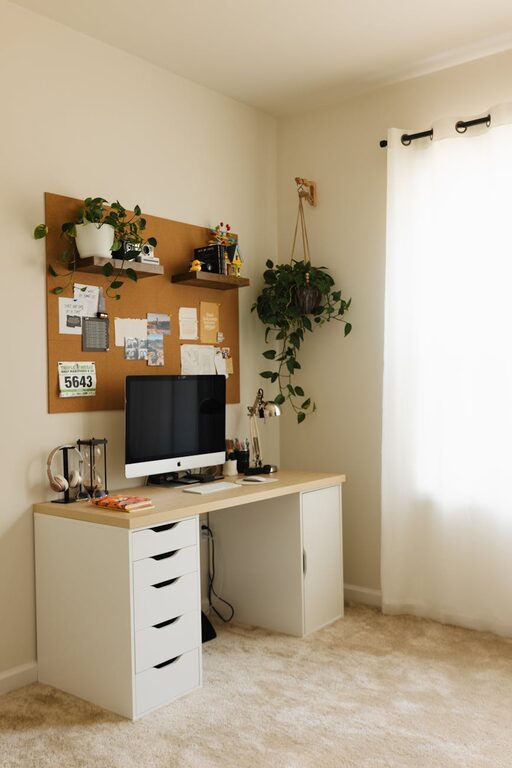
Shelves, drawers, and organizers help keep supplies within reach without creating clutter.
Cable Management
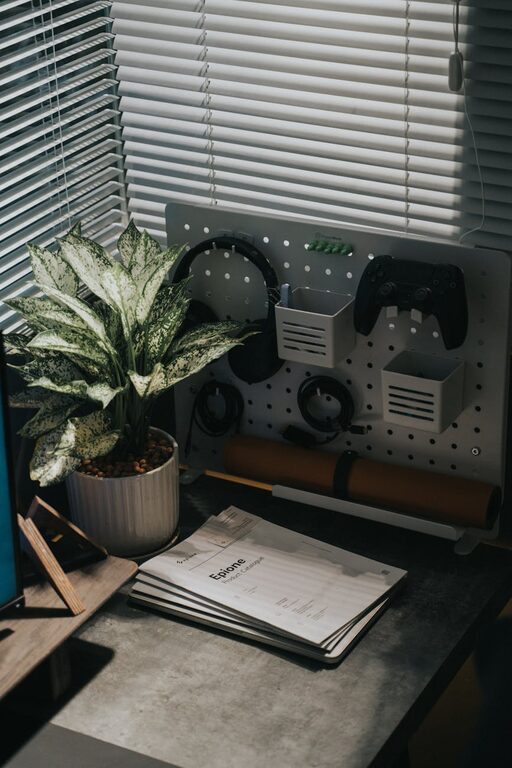
Use clips, ties, or cable boxes to keep cords neat and out of sight. This small step reduces distractions and safety hazards.
Incorporate Calming Elements
Add Plants
Indoor plants not only improve air quality but also add a touch of nature that can lower stress and increase happiness.
Choose Soothing Colors
Soft, neutral colors like pale blues, greens, or creams promote relaxation. Avoid overly bright or dark hues that may cause eye strain or agitation.
Personal Touches
Include a few personal items such as photos, art, or motivational quotes—but avoid overcrowding your space.
Utilize Technology Wisely
Quality Monitor and Keyboard
Invest in a good monitor that reduces eye strain and a keyboard that feels comfortable to type on for long periods.
Noise-Canceling Headphones
These are helpful for blocking out background noise, especially if you don’t have a completely quiet space.
Manage Notifications
Turn off unnecessary app notifications during work to maintain focus.
Create a Routine for Comfort and Breaks
Set Regular Breaks
Taking short breaks every hour can help prevent burnout. Stretch, take a walk, or simply change your environment briefly.
Hydration and Snacks
Keep water and healthy snacks close by to stay energized.
Keep Workspace Clean
Spend a few minutes at the end of each day to tidy your workspace to start fresh tomorrow.
Final Thoughts
Designing a relaxing home workspace is about creating an environment that supports your tasks while nurturing your comfort and well-being. By choosing the right location, investing in ergonomic furniture, organizing carefully, and adding calming touches, you can create a place that helps you stay productive and feel good throughout your workday.
Give yourself the gift of a peaceful workspace — your focus and comfort will thank you!