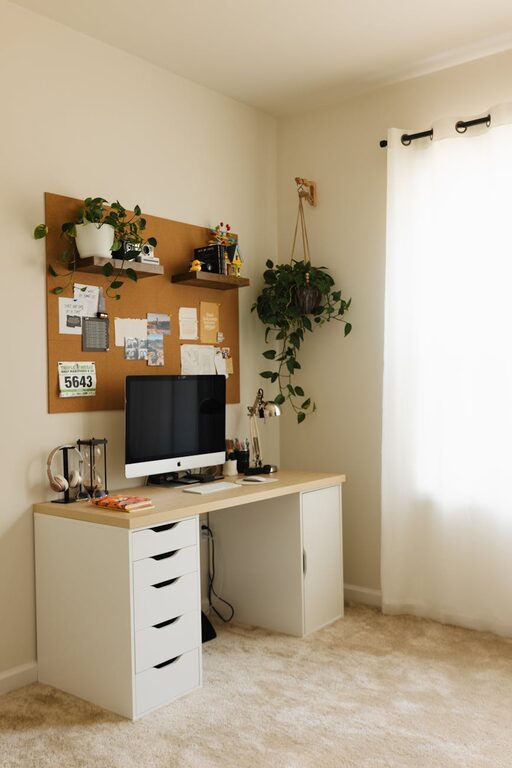
Creating a home office that is both cozy and productive can transform the way you work and improve your overall well-being. Whether you work from home full-time or just need a dedicated space for occasional tasks, having an inviting and efficient workspace makes a big difference. In this post, we’ll share practical tips to help you design a home office that encourages focus and comfort.
Why a Cozy and Productive Home Office Matters
A well-designed home office is essential for creating clear boundaries between work and personal life. When your workspace feels comfortable, you are more likely to stay motivated and reduce stress. Productivity improves when distractions are minimized and the environment supports your workflow.
Choosing the Right Location
Find a Quiet Spot
Try to set up your office in a quiet area of your home, away from high-traffic zones. If possible, choose a separate room with a door that can be closed to maintain privacy.
Consider Natural Light
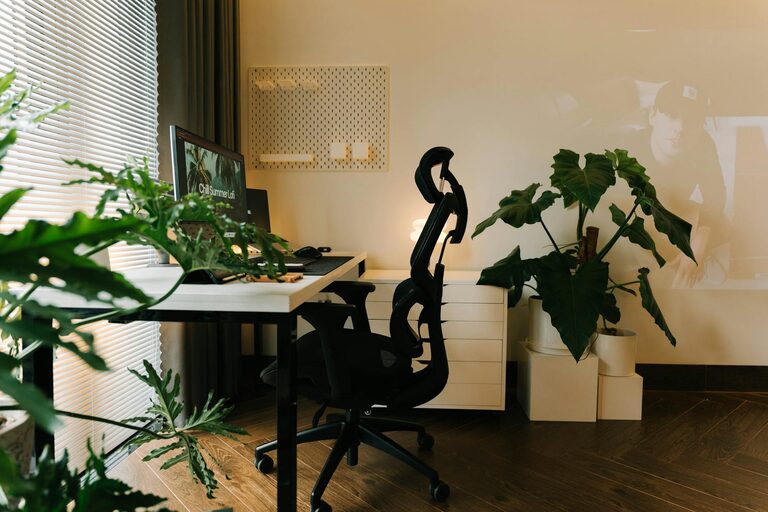
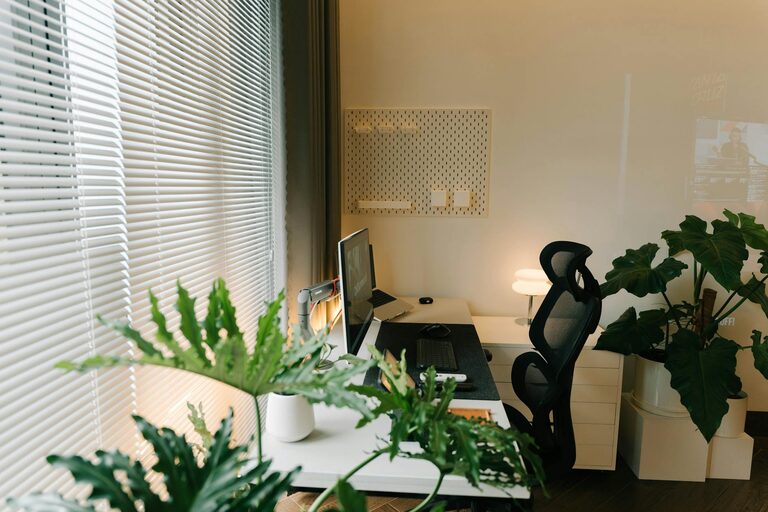
Natural light boosts mood and alertness, so place your desk near a window if you can. If natural light is limited, invest in good artificial lighting that mimics daylight.
Essential Furniture for Comfort and Functionality
Select an Ergonomic Chair
Comfortable seating is crucial for long hours of work. Look for chairs that provide good lumbar support and adjustable height to prevent back pain.
Desk Size and Setup
Select a desk large enough to accommodate your computer, paperwork, and other essentials without feeling cluttered. Standing desks or adjustable desks are also good options to vary your posture throughout the day.
Organizing Your Workspace
Use Storage Solutions
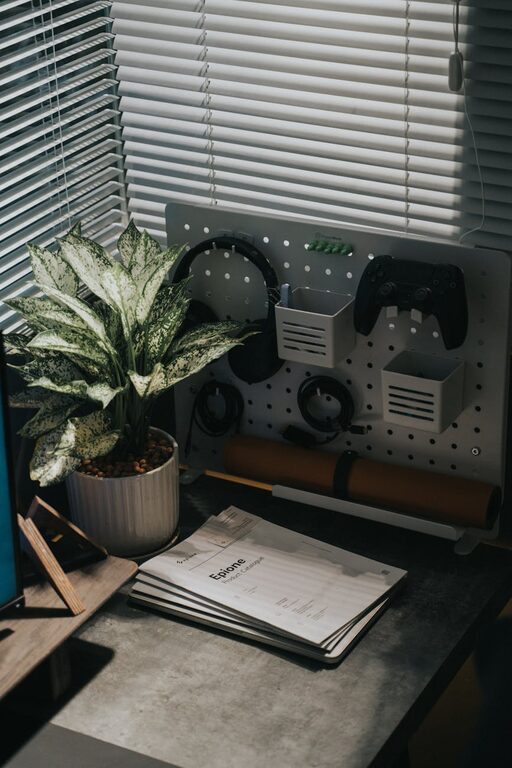
Keep your desk tidy with shelves, drawers, or filing cabinets. Use organizers, trays, and baskets to sort supplies and documents efficiently.
Minimize Clutter
A clutter-free desk helps your mind stay clear. Only keep items you use daily within arm’s reach. Regularly tidy up to prevent buildup.
Adding Cozy Touches
Choose Warm Lighting
Soft, warm lighting creates a relaxing atmosphere. Consider using desk lamps or floor lamps with warm bulbs as supplements to overhead lighting.
Incorporate Textiles
Add a comfortable rug, cushions, or a throw blanket to make your space feel inviting and reduce noise.
Personalize Your Space
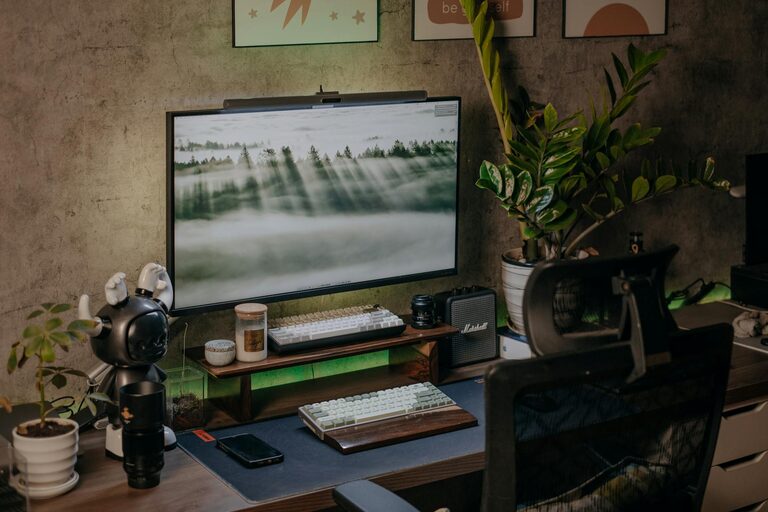
Decorate with items you love, such as plants, artwork, or photos. Plants also improve air quality and add a touch of nature.
Technology and Tools to Boost Productivity
Reliable Equipment
Invest in a good computer, fast internet connection, and any devices that help your workflow, like printers or scanners.
Noise Control
If noise is an issue, consider noise-canceling headphones or background music playlists designed to increase focus.
Use Productivity Apps
Apps for time tracking, task management, or note-taking can help keep your work organized and efficient.
Establishing a Routine and Boundaries
Set Regular Hours
Define clear work hours to create a sense of routine. This helps separate work from leisure time and maintains balance.
Take Breaks
Short breaks improve concentration. Use techniques like the Pomodoro method—work for 25 minutes, then take a 5-minute break.
Keep Healthy Habits
Stay hydrated, stretch regularly, and maintain good posture to support your physical health.
Final Thoughts
Designing a home office that is cozy and productive is about balancing comfort with functionality. Personalizing your workspace, choosing the right furniture, and keeping things organized all contribute to a positive work environment. Small changes can have a big impact, so start with what’s most important to you and build from there. Your ideal home office awaits!